Grim Trials combat is built around keeping Avelin mobile while combining melee and ranged pressure. The scythe and crossbow are designed as complementary tools rather than two isolated playstyles: close distance when an enemy gives you a safe opening, use ranged attacks when positioning matters more than greed, and treat the dash as a defensive resource instead of a button to spend on cooldown. Since launch, Glory Jam has already adjusted ranged weapon cooldowns, melee attack telegraphing, arena obstacles and Acedia's summoned enemies, so older demo-era combat advice should not be treated as current balance.
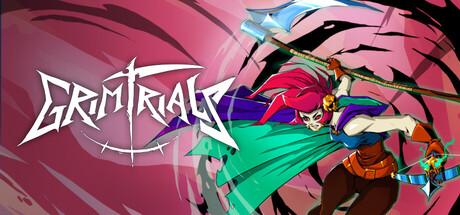
The combat rule that matters most: keep your options open
Steam's official description says players should master both the scythe and crossbow to maximize damage, and that the combat system rewards clever use of the dual-wielded weapons. That is a useful way to approach the game even before worrying about specific builds. A melee opening is valuable because it lets you apply pressure quickly, but staying in melee after the opening has ended is where unnecessary damage usually happens. The crossbow gives you a way to continue contributing while you reposition, wait for an attack to finish or move around an arena hazard.
Do not translate that into a rigid rotation such as “three melee hits, one ranged attack.” Grim Trials is encounter-driven. The correct sequence changes according to enemy spacing, traps, incoming attacks and the effects attached to your current gear, Skill Tree and Blessings. A good combat loop is therefore reactive: identify the threat, decide whether melee range is safe, attack without exhausting your escape options, then reposition before the enemy's next dangerous sequence.
How to use melee attacks without overcommitting
The scythe side of the weapon pairing rewards recognizing windows rather than simply standing beside a target and attacking continuously. Against ordinary enemies, look for moments after a telegraphed attack or while another threat is far enough away that you can focus one target. Against bosses, learn the difference between an animation that creates a real punish window and one that immediately chains into another attack.
A common beginner mistake is spending movement to reach an enemy and then discovering that no escape is available when the retaliation begins. When possible, walk into an opening and preserve the dash for the dangerous part of the exchange. If you do use a dash aggressively, know where you will move next. The August 29 update reduced several obstacles that could interrupt dashes or leave Avelin stuck, which should make movement more reliable than at launch, but environmental awareness still matters.
Crossbows are for pressure and positioning, not free damage
Ranged attacks are extremely useful because they allow Avelin to maintain pressure when melee is unsafe. However, post-launch balance makes it important not to build your entire understanding of combat around early videos or launch-day ranged combinations. In v1.0.20260824, the developers explicitly rebalanced several ranged attack combinations for boss encounters, adjusted ranged weapon cooldowns and changed the Anubis Blessing as part of the same ranged-build pass.
The stated goal was to reduce overly powerful combinations without making ranged builds nonviable. In practical terms, the crossbow is still a core weapon, but cooldown management matters. If a strong ranged action is unavailable, use that downtime to improve positioning, clear a safer target or prepare a melee punish instead of waiting in place for the cooldown. A hybrid player has more ways to turn cooldown downtime into useful damage.
Dodging and enemy telegraphs after the August 29 patch
Reading enemy attacks is one of the most important transferable skills in Grim Trials. The v1.0.20260829 update specifically adjusted melee attack telegraphing and attack behavior to make dodging feel fairer. The developers called out situations where an attack could appear to continue tracking the player after the dodge had already started. That change is important for new players because some launch-day frustration around dodge timing came from behavior the developers subsequently modified.
Even with the improvement, do not dodge purely because an enemy begins an animation. Watch for the part of the animation that actually commits the attack. An early panic dash can place you at the end of your movement just as the hit arrives. Against unfamiliar enemies, sacrifice a little damage and spend the first encounter observing their timing. Learning one reliable dodge cue is worth more than squeezing in an extra attack and losing a large portion of your health.
Use the arena as part of the fight
Grim Trials takes place in hex-grid arenas containing monsters, traps and other hazards. Positioning is therefore not only about the enemy directly in front of you. Before committing to a long melee sequence, check where the other enemies are, where your retreat path leads and whether an obstacle will interfere with movement. The August 29 patch reduced obstacles that unintentionally interrupted dashes, but it did not turn the arenas into empty spaces.
Try to avoid being surrounded. When several enemies are active, moving around the edge of the fight can create a more readable line of threats. Ranged pressure is particularly useful here because it lets you damage a priority target while refusing a bad melee engagement. Once enemies are separated or an attack leaves one exposed, switch back to close-range pressure.
Boss combat: treat survival as information gathering
The full game advertises seven major bosses. Your first attempt against a boss does not need to be a damage race. Use early phases to identify recurring patterns: which attacks track, which create hazards, how long recovery animations last and which parts of the room remain safe. A failed run that teaches you a dependable response to a boss pattern has still improved the next attempt, especially because Grim Trials also retains important progression resources between runs.
The August 29 update added a clearer visual cue before entering a boss room. Use that warning as a preparation point. Check whether your current build has an obvious weakness, mentally review your defensive options and avoid entering the encounter distracted by the previous room. Bosses are also where incoherent builds become easier to notice: a set of unrelated upgrades may feel adequate against small enemies but struggle to produce safe, repeatable damage during longer fights.
Acedia combat changes
Acedia is particularly important when comparing old guides with the current game because the encounter has been adjusted more than once across the demo and release cycle. The August 29 post-launch update rebalanced the enemies summoned during the Acedia encounter. Earlier demo changes had also reduced pressure from parts of the fight and improved visual communication around hazards. As a result, videos from older builds can still help you recognize the general encounter, but they should not be used as exact references for add counts, timing or balance.
When summoned enemies appear, decide quickly whether they are creating enough pressure to justify switching targets. Do not automatically tunnel the boss while the arena becomes harder to read. Clearing a dangerous add can buy a cleaner future damage window and reduce the chance that you dodge one attack directly into another.
How Skill Tree, gear and Blessings change combat
Execution is only half of Grim Trials combat. Before and during a run, your options are shaped by crafted equipment, Skill Tree investment and randomized Blessings. The strongest approach is to make those systems support a recognizable plan. If your gear rewards ranged uptime, look for Skill Tree and Blessing choices that make that pattern safer or more productive. If your setup rewards aggressive melee, invest in the survivability, mobility or combo tools that let you stay close without turning every exchange into a health trade.
Recent patches are another reason to think in terms of a plan rather than a fixed tier list. The August 24 update adjusted multiple Gear buffs and values in addition to ranged attacks and Anubis. A build copied from an early release screenshot may therefore use correct item names but outdated balance assumptions. When comparing two upgrades, ask what they change in your actual encounter decisions rather than relying only on a number displayed in isolation.
A practical training routine
- Practice one defensive cue at a time. Pick an enemy and learn when its attack commits instead of trying to memorize the whole game at once.
- Preserve your dash. Spend it to avoid meaningful danger, not simply because movement feels faster.
- Alternate ranges deliberately. Use the crossbow while melee is unsafe, then return to close pressure when an opening appears.
- Test cooldown downtime. When a ranged option is cooling down, practice using that interval for movement or melee rather than becoming passive.
- Review why you took damage. Was it greed, an unread telegraph, poor arena position, an add you ignored or a build weakness? Fixing the cause is more useful than simply adding more health.
Watch Grim Trials combat in action
The official PlayStation release-date trailer is embedded as a visual reference for Avelin's movement, weapon presentation and arena combat. It is useful for understanding the pace and visual language of the game, but this guide uses the later August 24 and August 29 patch notes for current balance information rather than treating trailer footage as frame-accurate combat data.
Combat FAQ
Should I play melee or ranged?
Learn both. The official game description explicitly presents scythes and crossbows as a dual-weapon combat system. Individual builds can lean toward one side, but being comfortable at both ranges gives you an answer when a boss or arena temporarily makes your preferred range unsafe.
Are ranged builds still good after the nerf?
The August 24 patch notes say the developers adjusted ranged cooldowns and combinations to reduce overly powerful interactions while maintaining ranged-build viability. That means ranged play remains intended, but old launch-day combinations should be retested before being called optimal.
Did dodging change after launch?
Yes. The August 29 update changed melee attack telegraphing and behavior, specifically addressing attacks that could feel as though they continued tracking after the player had dodged.
Why do older Acedia videos look different?
Acedia received balance changes during development and again after launch. The August 29 update specifically rebalanced summoned enemies, so older footage may not represent the current encounter exactly.
Related Grim Trials guides
Sources & verification
- Grim Trials on Steam — official description of the dual-weapon system, hex-grid arenas, seven bosses, equipment, Skill Tree and Blessings.
- Grim Trials Steam Community announcements — v1.0.20260824 ranged cooldown, ranged combination, Anubis and Gear balance changes; v1.0.20260829 movement, telegraph, boss-room and Acedia adjustments.
- SteamDB archive of v1.0.20260824 — archived post-launch balance notes.
- PlayStation Grim Trials release-date trailer — official combat footage used only as a visual reference.