Hammers in Grim Trials are the most deliberate melee option currently supported by public developer and post-launch evidence. The official weapon-design devlog describes the hammer as a high-burst weapon that rewards repositioning before the hit lands, while released-game review coverage confirms that its reach is shorter but its impact at contact is extremely strong. That means the hammer is less about constant melee uptime and more about creating a safe opening, committing to a heavy attack and using the crossbow or movement to control the space between swings.
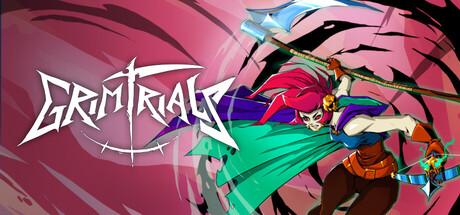
What is the hammer in Grim Trials?
The official weapon-design post divides Avelin's melee arsenal into scythe, axe and hammer, with crossbows occupying the ranged/off-hand role. The same developer post says each melee weapon is intended to feel different rather than collapse into a single best-in-slot meta. For the hammer specifically, one developer describes preferring it because of its high burst damage and because its attack pattern gives Avelin time to reposition before the hit lands.
That design description matters because it explains the weapon better than a generic label like "slow but strong." The hammer is not simply a scythe with larger numbers. Its identity is tied to commitment, spacing and setup. You want the enemy where your attack is going to land, you want enough room to survive the backswing and you want your ranged option to cover moments when a melee commitment would be unsafe.
What released-game reviews confirm
Post-launch Nintendo review coverage gives the most useful independent confirmation of the hammer's live-game behavior: compared with the scythe, the hammer has noticeably shorter reach, but compensates with brutal damage where the strike connects. That is an important practical limitation. A heavy attack that misses because the target is outside the contact area produces no value, and a short-range weapon asks you to read enemy movement more carefully before committing.
The same review notes that Grim Trials combat is aggressive and dash-focused rather than built around a standard block. That makes hammer positioning especially important. You generally create safety by moving, dashing and controlling the enemy group instead of standing in place and absorbing a mistake.
Hammer vs scythe
| Question | Hammer | Scythe |
|---|---|---|
| Combat rhythm | Deliberate, burst-focused commitments | Faster, more continuous pressure |
| Reach | Released review reports shorter reach | Generally more comfortable for repeated close-range pressure |
| Positioning demand | High; misses are expensive | More forgiving for players who want to stay active |
| Best use case | Opening-based burst and grouped enemies | Frequent punish windows and faster-paced melee |
This comparison is directional, not a fabricated stat sheet. Public sources do not provide a complete verified frame-data table, damage-per-second chart or all-item comparison for the released build. The useful takeaway is simply that the hammer asks for a more intentional attack window than the scythe.
Hammer vs axe
The official weapon-design article says both hammer and axe are animated to feel heavier than the scythe, but it also makes an important clarification: Avelin's movement speed is identical while wielding all three melee categories. The sensation of weight comes from animation, backswing, momentum and attack timing rather than a literal run-speed penalty.
That means "hammer is slow" should not be interpreted as "Avelin moves slower around the arena." The real cost is the commitment of the attack. The axe also occupies a heavier melee space, but the developer singled out the hammer for high burst damage and a setup style built around repositioning and grouping targets before impact.
Why the crossbow matters so much with a hammer
The same official design post says dual weapons are meant to synergize rather than function as interchangeable alternatives. Developers specifically describe melee as the main damage source in many setups while crossbows are used strategically for effects such as grouping enemies or creating explosions.
That philosophy maps naturally onto the hammer. When the enemy is moving too much for a safe heavy attack, the crossbow keeps the build active. When an off-hand effect helps gather enemies or manipulate the room, the hammer can convert that setup into one decisive burst window. In other words, a hammer build should not be judged only by the hammer itself. Judge the complete melee-plus-crossbow package.
How to position for hammer attacks
- Move first, swing second. The official design intent explicitly mentions repositioning before the attack lands.
- Do not chase every enemy with melee. Use crossbow pressure when the target is outside a reliable hammer window.
- Prefer predictable openings. Boss recovery windows and grouped normal enemies are better targets than highly mobile enemies that are already leaving your range.
- Keep an exit route. Because Grim Trials relies heavily on dashing, avoid committing from positions where arena obstacles or enemy bodies will trap the follow-up movement.
- Think in impact zones. Short reach means your positioning should be based on where the target will be when the attack connects, not where it was when you pressed the button.
Hammer and crowd control
The developer's own example of a hammer-oriented loadout uses effects that pull enemies into one area before finishing them with the hammer. That is useful evidence for how the weapon was intended to be built: grouping and control can solve the hammer's reach problem by reducing the amount of chasing you have to do.
This does not mean every hammer build must use a specific pull effect, and this guide does not assign an unverified recipe or Blessing name to that setup. The broader principle is enough: if your crossbow, Blessings, gear or Soul Rune setup can make enemy movement more predictable, the hammer benefits disproportionately because its strongest attacks care about reliable contact.
Using the hammer against bosses
Hammer play is naturally strongest when a boss gives you identifiable recovery windows. During dangerous telegraphs, movement and crossbow pressure are usually safer than forcing melee. Once the boss commits to an animation and exposes a punish opportunity, the hammer can convert that opening into burst damage.
Do not turn this into a universal "hammer is best for bosses" rule. Some bosses create awkward spacing, summons, projectiles or arena pressure that make short-range commitments less comfortable. The correct weapon is the one you can use consistently with your current build and current boss pattern.
Hammer crafting and Pytra
Weapons are part of Grim Trials' crafting progression, and released-game material ties Pytra closely to the weapon workshop. The achievement Weapon Connoisseur requires crafting all weapons, so hammer crafting belongs to the broader completion route even if public platform achievements do not list every hammer recipe individually.
For that reason, this page does not publish guessed material costs. Use the Crafting Recipes guide for the site's verified recipe framework and the Crafting Progression guide for Mastercrafted and completion planning.
Skill Tree and Soul Rune synergy
A hammer build should use persistent progression to support the same combat problem the weapon is trying to solve. If your setup rewards stronger melee windows, better survivability around close-range commitments or more reliable positioning, it may complement the hammer better than a collection of unrelated bonuses.
Grim Trials also uses Soul Runes inside the Skill Tree. Because the exact best rune configuration depends on your available runes and current patch, this guide avoids presenting one rigid loadout as universally optimal. The Soul Runes guide explains the system separately.
Blessings for hammer builds
Blessings are randomized during runs, so the correct hammer plan is adaptive rather than scripted. Look for Blessings that improve the value of the openings you are already creating: stronger burst, safer melee engagement, better enemy control or support for the crossbow half of the loadout can all be useful depending on what appears.
The important rule is coherence. If the hammer is your primary finisher, prioritize upgrades that make your setup-and-impact loop more reliable instead of collecting effects that pull the build in unrelated directions.
Patch-aware weapon advice
The current post-launch patch notes discussed melee feel, tracking, arena obstacles and future weapon work. In particular, developers said they were exploring an Axe revamp; that was not a shipped hammer rework. This guide therefore does not claim that the hammer has received a major post-launch redesign unless a future patch note explicitly says so.
For practical play, current patch changes that improve melee telegraphs, tracking and arena movement can still affect how comfortable heavy melee weapons feel, so weapon recommendations on this site remain version-aware.
What is the best hammer?
There is not enough reliable public released-game data to publish a defensible hammer tier list yet. A useful ranking would need verified weapon names, effects, recipe unlocks, crafting costs, Mastercrafted behavior, patch state and repeatable combat testing. Until those pieces are collected, a confident "best hammer" ranking would be SEO filler rather than a trustworthy guide.
Hammer FAQ
Is the hammer an official Grim Trials weapon?
Yes. The developer weapon-design post explicitly lists scythe, axe and hammer as Avelin's melee weapon categories.
Does the hammer make Avelin run slower?
No. The developer explained that movement speed is identical across scythe, axe and hammer. The heavier feel is created through animation and attack timing.
What is the hammer good at?
Official design notes emphasize high burst damage and repositioning before impact. Released-game review coverage also describes short reach with very strong contact damage.
Should I pair it with a crossbow?
Yes. Grim Trials is designed around melee and crossbow synergy, and the hammer especially benefits from ranged pressure and setup during unsafe melee windows.
Is hammer better than scythe or axe?
Not universally. The developers explicitly designed the weapon families to support different preferred playstyles rather than one permanent meta choice.
Related guides
Sources & verification
- Official Grim Trials weapon-design devlog — scythe, axe, hammer and crossbow categories; high-burst hammer example; repositioning; dual-weapon synergy; identical movement speed.
- Nintendo Blast released-game review — hammer's shorter reach and strong contact damage in the release build.
- Grim Trials on Steam — released combat, crafting and progression framework.